Play-Based ABA: How Learning Through Play Transforms Therapy
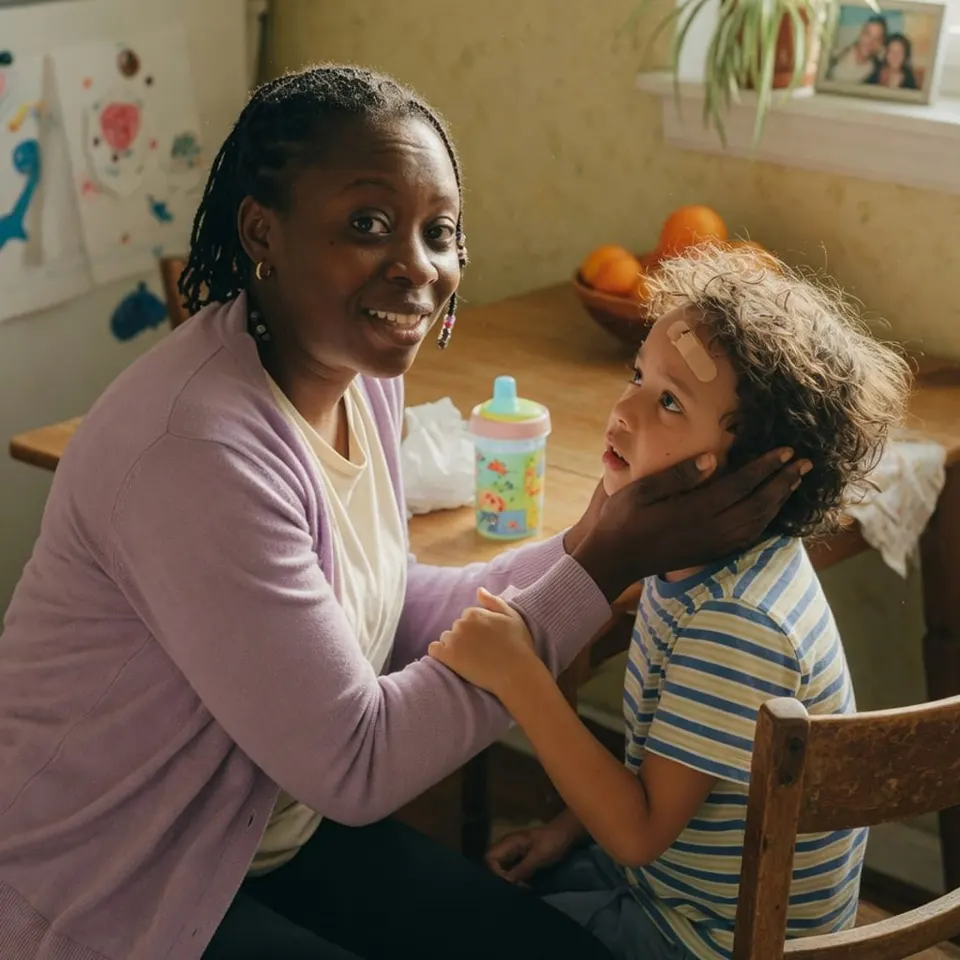
In short: Play-based ABA is a child-centered approach where therapy happens through fun, natural activities. Instead of rigid drills, therapists follow the child's interests to teach skills like requesting, sharing, and self-care. It is often covered by insurance and Medicaid, and our free matching service can connect you with vetted BCBA-led providers who use this method.
Key takeaways
- Play-based ABA uses a child's natural motivation to learn, making sessions engaging and effective.
- Skills taught during play - like turn-taking and requesting - transfer more easily to real-world situations.
- This approach is backed by behavior analysis principles and is common in early intervention for young children.
- Sessions are led by a Board Certified Behavior Analyst (BCBA) and often involve parents as active partners.
What Is Play-Based ABA?
Applied Behavior Analysis (ABA) therapy is often misunderstood as a rigid, table-top drill. While structured teaching has its place, many modern providers use a play-based ABA approach that weaves learning into natural, enjoyable activities. In this model, the therapist follows the child's interests - whether that's building with blocks, pretending to cook, or racing cars - and uses those moments to teach communication, social, and daily living skills.
Play-based ABA is grounded in the same science as traditional ABA. The key difference is the natural environment. Instead of sitting at a desk, the child learns in a playroom, living room, or even outdoors. The therapist uses the child's own motivation (the fun of play) to encourage new behaviors, like asking for a toy, waiting for a turn, or cleaning up when done.
🔗 Related reading: Verify ABA Provider Credentials in Washington · Get ABA Therapy
Why Play Matters in Learning
Built-in Motivation
When a child is truly engaged, learning happens faster and lasts longer. Play is intrinsically rewarding. A child who loves trains will work hard to request the "choo-choo" or label colors on the track. Play-based ABA capitalizes on that natural drive, reducing resistance and building a positive association with therapy.
Generalization of Skills
Skills taught in a sterile environment often don't transfer to real life. But a child who learns to request a snack during a pretend picnic at therapy will more easily request a cracker at home. Because play-based settings mimic everyday situations, children practice skills in contexts that matter.
Fostering a Love for Learning
Early experiences with therapy shape a child's attitude toward learning. Play-based ABA avoids burnout and frustration. Instead, children learn that trying new things can be fun, which sets a foundation for lifelong curiosity.
How Play-Based ABA Works
Child-Led vs. Therapist-Led
While the child chooses the activity, the BCBA or registered behavior technician (RBT) subtly structures the interaction. For example, if a child is playing with cars, the therapist might hold a car and wait for the child to say "car" or make eye contact. That's a teaching opportunity. The child's natural play is the curriculum.
Embedded Teaching Targets
Every play activity can be broken into small, teachable steps. A simple game of bubbles can target: requesting ("more"), motor skills (popping bubbles), turn-taking (waiting for blow), and even language ("big bubble, little bubble"). The therapist tracks progress on an individualized plan written by the BCBA.
Data Collection Without Disruption
You might wonder how therapists measure progress during play. They use quick, unobtrusive recording - a tally on a smart watch or a clipboard nearby - so the flow of play isn't interrupted. Data drives decisions about what to teach next.
🔗 Related reading: Telehealth ABA in Virginia: Rules, Coverage & How It Works · Trusted ABA Therapy
What to Expect in a Session
A typical play-based ABA session lasts two to four hours and may take place at a clinic, at home, or in the community. Here's what you might see:
- Arrival and choice time: The therapist greets the child and offers a few toy choices. The child's selection sets the stage.
- Embedded teaching: During play, the therapist prompts, models, and reinforces desired behaviors. Praise is immediate and specific: "Great asking for the blue block!"
- Transitions: Clean-up is practiced as a learning step, not a chore. The therapist might sing a tidy-up song.
- Parent involvement: Many sessions include time for the parent to practice techniques, with coaching from the therapist. You are a vital part of the team.
- Wrap-up: The therapist notes what worked and shares a quick summary with the family.
If you're new to ABA, a play-based approach often feels more natural and less overwhelming. Parents frequently say, "It just looks like they're playing!" - and that's exactly the point.
Cost and Insurance Coverage
The cost of ABA therapy varies widely by location, provider, and intensity. In many areas, a full ABA program (20-40 hours per week) can cost thousands of dollars per month without insurance. Fortunately, most major health plans, including Medicaid, cover ABA therapy for autism. Play-based ABA is not a separate billing code; it's a delivery method under the same CPT codes (e.g., 97155, 97153).
Your state's Medicaid program likely covers ABA, and many states have specific autism waivers. Early Intervention services (Part C of IDEA) may also provide play-based therapy for children under three. The best way to know your coverage is to contact your insurance company directly or use a free matching service that can verify benefits on your behalf.
Please note: Apply for ABA is a free matching service, not an insurance provider or clinic. We connect families with vetted, BCBA-led providers who accept a range of insurance plans, including Medicaid in many states. You don't pay us; we are paid by the provider network to help you find the right fit. We can also help you understand typical coverage patterns in your area.

Practical Tips for Parents
You can support play-based learning at home without being a therapist. Here are a few simple strategies:
- Follow your child's lead. If they're lining up dinosaurs, join them. Comment on what they're doing and wait for a response. This builds communication.
- Create opportunities. Put a favorite toy just out of reach so your child must request it (by word, gesture, or picture).
- Use praise often. "You shared the truck! That was so kind." Specific praise reinforces the exact behavior you want to see more of.
- Keep it short and sweet. Short, frequent play sessions (10-15 minutes) are more effective than long, forced ones.
- Ask your BCBA for ideas. They can give you simple strategies tailored to your child's goals.
Common Mistakes to Avoid
Families sometimes misunderstand play-based ABA. Avoid these pitfalls:
- Thinking it's just "free play." It looks like play, but the therapist has a clear plan. Every interaction has a purpose.
- Over-correcting during play. If you're at home, resist the urge to quiz your child. The goal is to weave learning into the moment, not to test.
- Believing older children can't benefit. Play-based methods work for school-age kids too. Video games, board games, or art can all be platforms for learning.
- Waiting to start. Early intervention is powerful, but it's never too late. Many providers offer play-based ABA for tweens and teens.
How Apply for ABA Can Help
Finding the right play-based ABA provider can feel overwhelming. That's where Apply for ABA steps in. We are a free matching service that connects families with vetted, BCBA-led providers in your area. You provide basic information about your child's age, location, and insurance - we do the rest. Within days, you'll receive a list of qualified providers who use play-based approaches and accept your insurance.
Our network includes clinics and in-home providers who specialize in natural environment teaching. We can also help you navigate Medicaid enrollment or private insurance verification. Your journey to joyful, effective therapy starts with a click. Let us find a provider who will turn learning into play.