Pivotal Response Treatment (PRT) Explained: A Parent's Guide
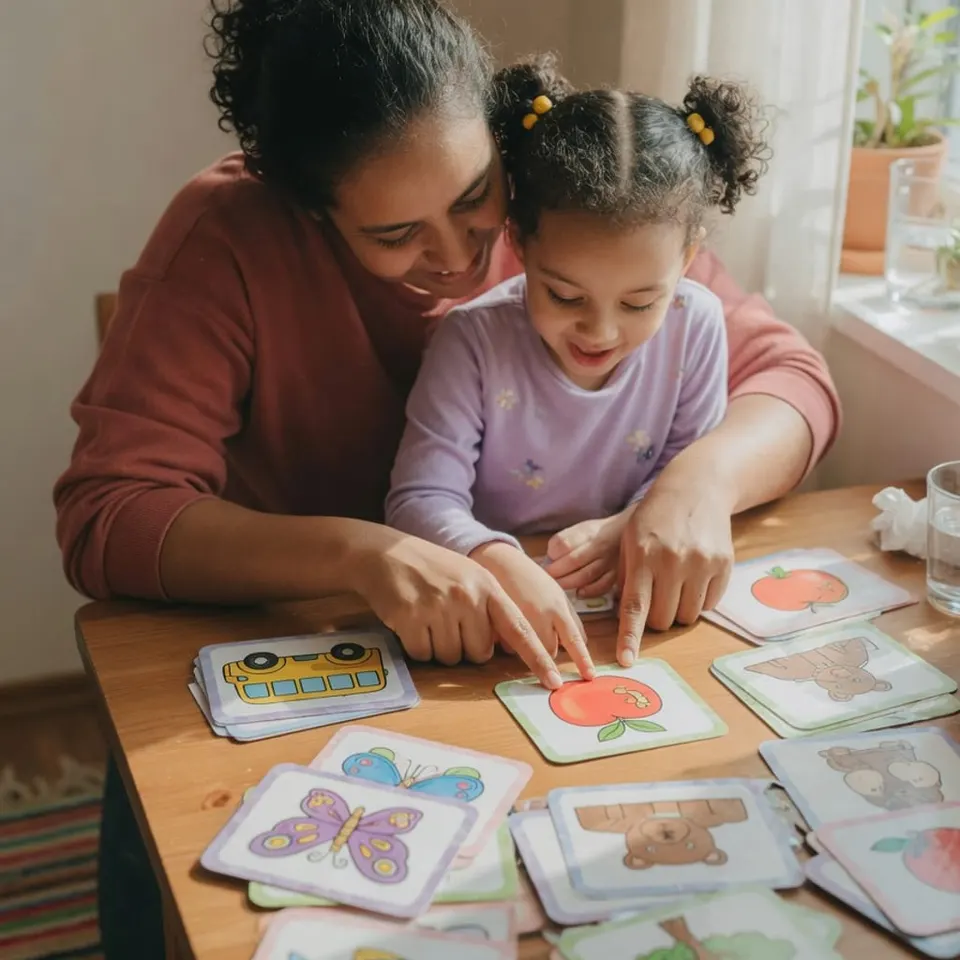
In short: Pivotal Response Treatment (PRT) is a play-based, child-led form of ABA therapy that focuses on pivotal areas like motivation, self-initiation, and responsiveness to multiple cues. It is often covered by insurance and Medicaid. Apply for ABA can match your family with free referrals to vetted BCBA-led providers who offer PRT in your area.
Key takeaways
- PRT is a naturalistic, child-led ABA approach that targets motivation, response to multiple cues, self-management, and self-initiation.
- It uses play and everyday routines to build communication, social, and behavioral skills in autistic children.
- PRT is evidence-based and backed by decades of research, often leading to more generalized and maintained skills.
- Most private insurance plans and state Medicaid programs cover PRT as part of ABA therapy benefits.
If you have an autistic child, you have likely heard of Applied Behavior Analysis (ABA) therapy. But within the ABA umbrella, there are many different approaches. One of the most natural and play-based is Pivotal Response Treatment (PRT). PRT focuses on key areas of development - called "pivotal" skills - that once learned, create a ripple effect across many other behaviors. This guide will explain what PRT is, how it works, what to expect, costs and insurance coverage, and how a free service like Apply for ABA can help you find a qualified provider.
What Is Pivotal Response Treatment (PRT)?
Pivotal Response Treatment (PRT) is a behavioral intervention developed in the 1970s by Drs. Robert and Lynn Koegel at the University of California, Santa Barbara. It is a form of naturalistic ABA that uses child-led play and everyday routines to teach language, social, and communication skills. Unlike traditional ABA, which often uses a table-top, adult-directed format, PRT is delivered in the natural environment - at home, on the playground, or during a snack time.
The "Pivotal" Areas
PRT targets four main "pivotal" areas because improvements in these areas produce widespread positive effects:
- Motivation - The child's desire to engage and learn. PRT uses child choice, natural rewards, and task variation to keep motivation high.
- Response to Multiple Cues - The ability to attend to and respond to several features of an object or situation (e.g., color, shape, size, function).
- Self-Management - Teaching the child to monitor and regulate their own behavior, leading to greater independence.
- Self-Initiation - Encouraging the child to start interactions or activities without being prompted.

🔗 Related reading: Autism Support Groups for California Parents · Local ABA Therapy
How PRT Differs from Traditional ABA
The most obvious difference is the setting and style. Traditional ABA (sometimes called Discrete Trial Training or DTT) often takes place at a desk with repeated trials, a clear instruction, and tangible reinforcers like tokens or snacks. PRT, on the other hand, embeds learning into the child's natural world. For example:
- Traditional ABA: A therapist shows a picture of a ball and asks, "What is this?" The child says "ball," and receives a small treat.
- PRT: The child is playing with a ball. The therapist holds the ball just out of reach and waits. The child looks at the therapist or says "ball" to get it back. The natural reward is returning to the fun game.
Both methods are evidence-based, but PRT is often more engaging for young children and leads to better generalization of skills across environments.
What to Expect During PRT Sessions
PRT sessions are typically conducted by a Board Certified Behavior Analyst (BCBA) or a trained therapist under BCBA supervision. Sessions can happen at home, school, or in the community. Here is a typical structure:
Initial Assessment and Goal Setting
The BCBA will first conduct a detailed assessment to identify your child's strengths, needs, and motivators. Together with your family, they will set goals in areas like requesting, labeling, social initiations, and daily living skills.
Session Flow
- Child chooses the activity - The therapist follows the child's lead, even if it means playing with the same train set for 20 minutes.
- Opportunities for learning are embedded - For example, the therapist might hold two train cars and wait for the child to request one using words or a gesture.
- Natural reinforcement - The reward is directly related to the task. If the child asks for a push on the swing, they get a push. No unrelated tokens.
- Data collection - The therapist notes correct responses, prompts, and progress to adjust the plan.
- Parent involvement - Parents are encouraged to observe and participate so they can carry over techniques throughout the day.

🔗 Related reading: ABA Therapy in Washington: What to Expect · Get ABA Therapy
Who Can Benefit from PRT?
PRT was originally developed for autistic children, especially those with limited verbal communication. Today it is used for a wide range of ages, though early intervention (ages 2 to 6) is often most effective. PRT can help children who:
- Have few communication skills or are non-speaking
- Show low motivation to engage with others
- Struggle to initiate social interactions
- Need help with self-regulation or following multi-step directions
- Are verbal but lack conversational reciprocity
It is also commonly used for children with other developmental delays or co-occurring conditions. Because PRT is tailored to each child, it can be adapted for teenagers and adults in day programs or vocational settings.
Costs and Insurance Coverage for PRT
PRT is considered a medically necessary ABA therapy, so it is typically covered by insurance. The cost without insurance can range from $50 to $150 per hour, depending on the provider and location. With insurance, your out-of-pocket expense depends on your plan - many families pay only a copay or coinsurance.
Insurance Requirements
Most health insurance plans that cover autism treatment (under the behavioral health or habilitative services benefit) include PRT. To qualify, you generally need a formal autism diagnosis (from a doctor or psychologist) and a prescription or referral for ABA. Your insurance will likely require authorizations and regular progress updates from the BCBA.
Medicaid Coverage
Every state's Medicaid program covers ABA therapy for eligible children, often including PRT. Some states have specific waivers or early intervention programs. For example, through Part C Early Intervention, children under age 3 may receive PRT at little or no cost. It is best to call your state's Medicaid office or check with your health plan.
How to Find a Provider for PRT
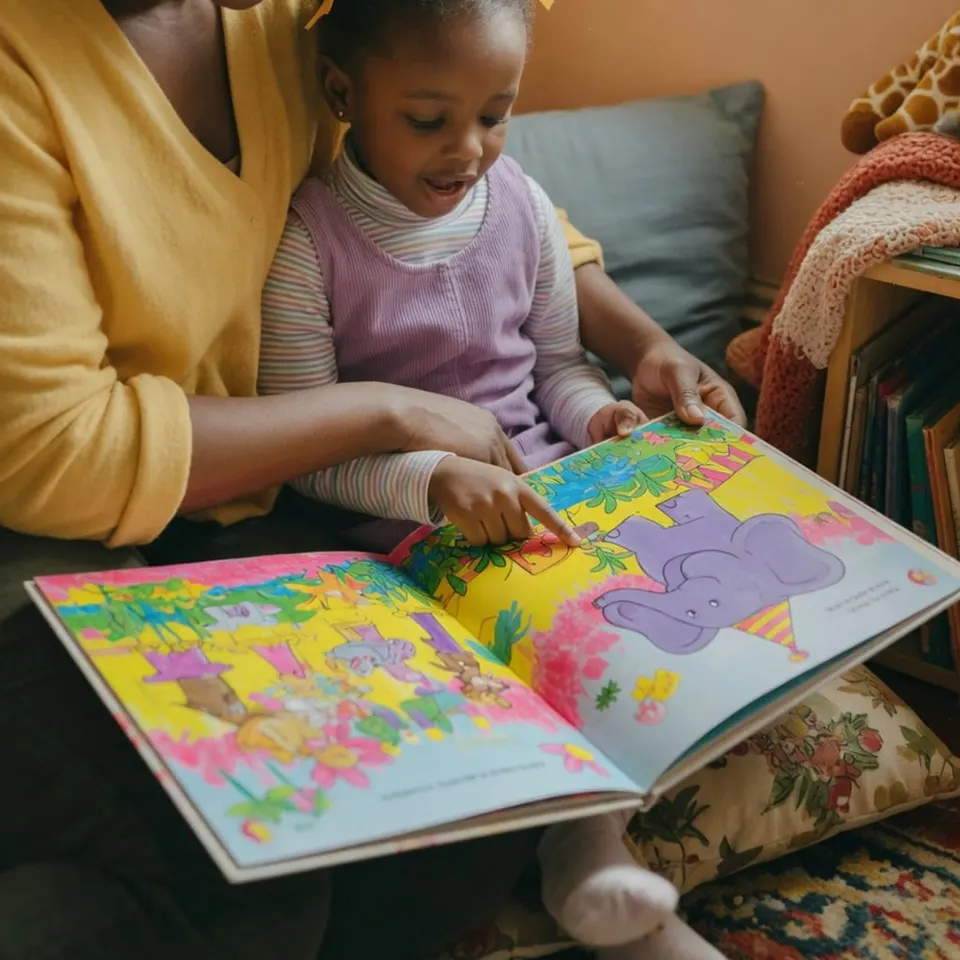
Finding a BCBA who is trained in PRT can be a challenge, but you do not have to do it alone. Apply for ABA is a free matching service that connects families with vetted, BCBA-led providers in your area. When you fill out a short online form, we ask about your child's age, needs, and insurance. Then we match you with up to three providers who offer PRT or other naturalistic ABA approaches.
Before you start, you can also ask potential providers these questions:
- "Do you have BCBA who specializes in PRT?"
- "What percentage of your caseload uses PRT?"
- "How do you involve parents in the therapy?"
- "What does a typical session look like?"
- "Do you accept my insurance plan?"
Tips for Supporting PRT at Home
PRT works best when the principles are used throughout the day, not just during therapy hours. Here are practical ways to reinforce PRT at home:
- Follow your child's lead. If they are fascinated by cars, use cars during learning opportunities. Put a car on a high shelf and wait for them to request it.
- Use natural rewards. If your child says "open" for the bubble bottle, open it. Do not offer a cookie as a reward for opening the bottle.
- Share control. Let your child choose between two acceptable options, such as "Do you want to read or draw?"
- Model language. Instead of asking, "What do you want?" describe what you see. "Oh, you are reaching for the chip bag. You want chips."
- Be patient. Wait at least five seconds after a question before prompting again. This gives your child time to process and respond.
Common Mistakes to Avoid
- Taking over the play. PRT is child-led. If you direct everything, the motivation drops.
- Using artificial rewards. Stickers and candy work for discrete trials, but in PRT the natural consequence should be the reinforcer.
- Assuming PRT is easier. Even though it looks like playing, PRT requires careful planning and data collection by a trained BCBA.
- Skipping parent training. The best outcomes happen when parents practice the techniques between sessions.
- Comparing progress. Every child is different. Focus on your child's own growth, not on other families' updates.
Getting Started with PRT Today
Pivotal Response Treatment is a powerful, respectful, and engaging way to help your autistic child develop critical skills. Whether your child is just beginning their therapy journey or you are looking for a more natural approach, PRT can be a wonderful fit. Because it is built on motivation and choice, many children actually look forward to therapy.
If you need help finding a BCBA-led provider who offers PRT and accepts your insurance or Medicaid, Apply for ABA is here for you. Our service is completely free - we are not a provider, but a matching service that connects you with vetted professionals in your area. We do the research so you can focus on what matters most: supporting your child's growth and happiness.
Visit applyforaba.com to get started with a free provider match today.