Why Parent Training in ABA Matters Most

In short: Parent training in ABA therapy is crucial because it equips parents with strategies to reinforce skills at home, leading to better outcomes and generalization. It is typically covered by insurance and Medicaid, and you can get matched with a BCBA-led provider for free through services like Apply for ABA.
Key takeaways
- Parent training ensures skills learned in therapy transfer to home and community settings.
- It reduces parental stress by providing practical, evidence-based tools.
- Most insurance plans, including Medicaid, cover parent training as part of ABA therapy.
- Training is tailored to each family's needs, often including coaching on behavior management and communication.
What Is Parent Training in ABA?
Parent training in Applied Behavior Analysis (ABA) is a structured program where Board Certified Behavior Analysts (BCBAs) teach parents and caregivers the principles and techniques of ABA. This training empowers you to support your child's development in everyday situations, from mealtime to bedtime. Unlike direct therapy sessions with a child, parent training focuses on equipping you with skills to reinforce positive behaviors, reduce challenging behaviors, and promote independence. It is a collaborative process where you become an active partner in your child's therapy team.

🔗 Related reading: How to Get an Autism Diagnosis in Illinois · Get ABA Therapy
Why Parent Training Is the Cornerstone of Effective ABA
Generalization: Making Skills Stick
One of the biggest challenges in ABA is ensuring that skills learned in a clinic or school setting transfer to real-world environments. Parent training bridges this gap. When you practice strategies at home, at the grocery store, or during family outings, your child learns to use those skills across different people, places, and situations. This generalization is key to lasting change.
Consistency Across Environments
Children with autism thrive on consistency. When parents use the same prompting, reinforcement, and communication strategies as the therapy team, your child receives clear, predictable cues. This reduces confusion and anxiety, making it easier for them to learn and adapt. Consistency also helps prevent regression, as skills are continuously reinforced.
Empowerment and Reduced Stress
Parent training transforms feelings of helplessness into confidence. You learn exactly what to do when a meltdown occurs, how to teach a new skill, or how to encourage communication. This knowledge reduces caregiver burnout and improves family dynamics. Studies show that parents who receive training report lower stress levels and greater satisfaction with therapy outcomes.
What to Expect in Parent Training Sessions
Initial Assessment and Goal Setting
Your BCBA will start by understanding your family's unique needs, routines, and priorities. Together, you will set specific, measurable goals for training. These might include reducing tantrums during transitions, increasing your child's use of functional communication, or teaching self-help skills like dressing or brushing teeth.
Hands-On Coaching and Practice
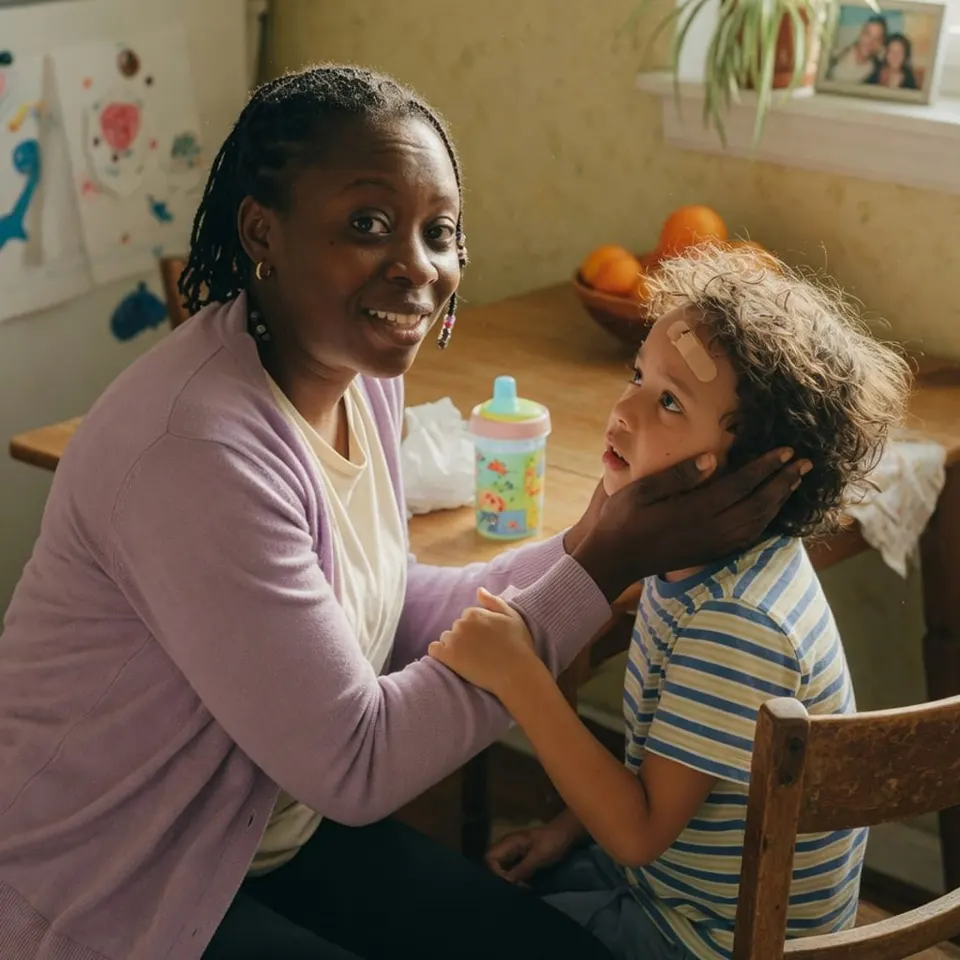
Training is not just lectures. You will watch the BCBA model techniques, then practice with your child while receiving real-time feedback. Sessions may occur in your home, at a clinic, or via telehealth. You will learn strategies like discrete trial training, natural environment teaching, and positive reinforcement.
Data Collection and Progress Monitoring
You will be taught simple ways to track your child's progress, such as tallying correct responses or noting behavior triggers. This data helps the BCBA adjust the plan and celebrate successes. Many parents find this empowering because it provides concrete evidence of growth.
🔗 Related reading: Does Private Insurance Cover ABA in Pennsylvania? · ABA For My Child
Costs and Insurance Coverage for Parent Training
Insurance and Medicaid
Parent training is considered a medically necessary component of ABA therapy. Most private insurance plans, including those regulated by state mandates, cover it. Medicaid, including state-specific programs like Early and Periodic Screening, Diagnostic, and Treatment (EPSDT), also typically covers parent training. You may need a prescription or referral from a doctor, and coverage varies by plan. Always verify with your insurance provider.
Funding and Free Resources
If you do not have insurance, some states offer grants or sliding-scale fees through local autism organizations. Additionally, services like Apply for ABA can match you with BCBA-led providers who accept your insurance, including Medicaid, at no cost to you. They handle the search so you can focus on your family.
Practical Tips for Getting the Most Out of Parent Training
- Come prepared: Write down specific situations or behaviors you want to address before each session.
- Practice daily: Even 10 minutes of intentional practice can reinforce skills. Consistency matters more than duration.
- Ask questions: If a strategy does not work, tell your BCBA. They can adjust the approach to fit your child's needs.
- Involve all caregivers: Grandparents, babysitters, and other family members can benefit from training to ensure everyone is on the same page.
- Celebrate small wins: Acknowledge every step forward, no matter how small. This builds momentum and confidence for both you and your child.

Common Mistakes to Avoid in Parent Training
Expecting Overnight Results
ABA is a science of behavior change that takes time. Progress may be gradual, and setbacks are normal. Patience and persistence are essential. Focus on the long-term trajectory rather than daily fluctuations.
Not Following Through Between Sessions
The most effective parent training happens when you apply strategies consistently outside of sessions. Skipping practice can slow progress. Integrate techniques into your daily routine, such as using visual schedules for morning routines or offering choices to reduce power struggles.
Overlooking Self-Care
Parenting a child with autism is demanding. Burnout can undermine even the best intentions. Build in time for yourself, seek support groups, and remember that you are doing an incredible job. A rested, calm parent is better able to implement strategies effectively.
How to Get Started with Parent Training Today
If you are new to ABA, the first step is finding a qualified BCBA-led provider. Many clinics offer parent training as part of comprehensive ABA services. You can also use a free matching service like Apply for ABA to connect with vetted providers in your area who accept your insurance. They will help you understand coverage, schedule an initial assessment, and begin the parent training journey. Remember, you are not alone in this process. With the right support, you can become your child's most effective teacher and advocate.