Nonverbal Autism: What It Really Means
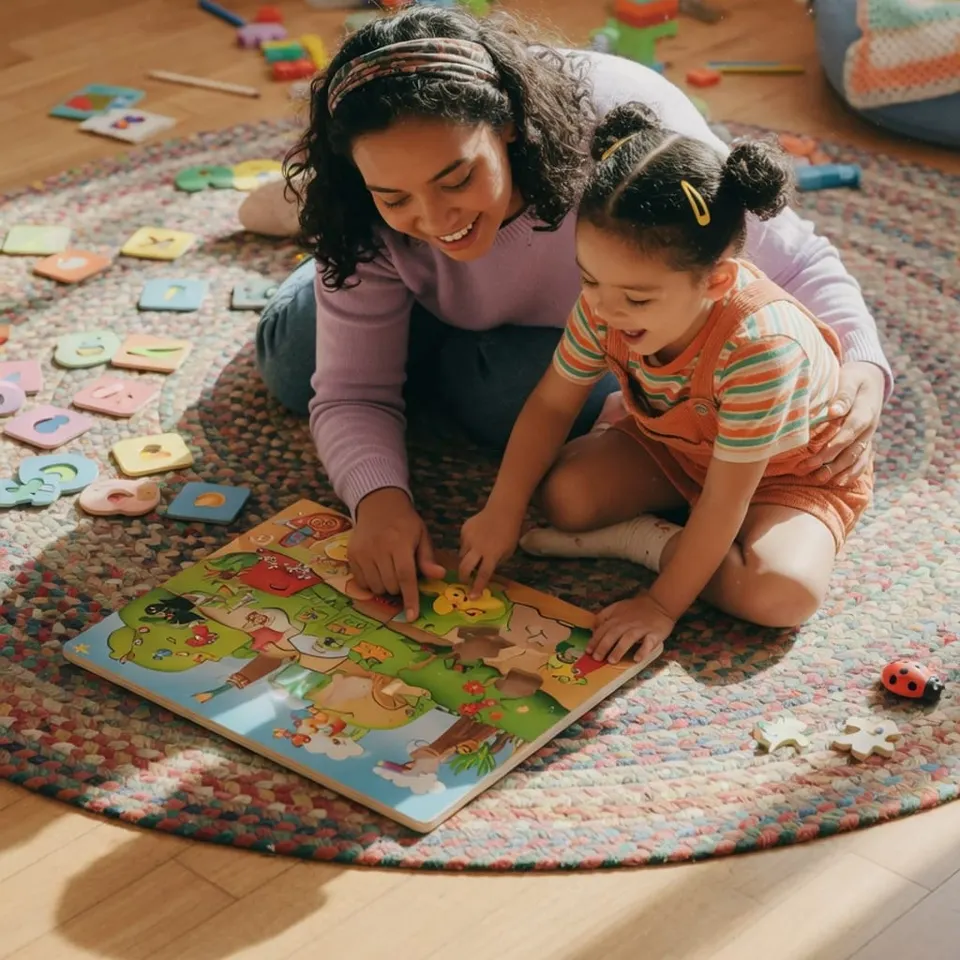
In short: Nonverbal autism means a person uses few or no spoken words, but they can communicate through other methods like AAC devices, sign language, or picture cards. It's not a lack of intelligence or desire to connect. With the right support, including speech therapy and ABA, many individuals develop functional communication.
Key takeaways
- Nonverbal autism is not the same as nonspeaking; many use alternative communication methods like AAC, signs, or gestures.
- Early intervention with ABA therapy and speech therapy can significantly improve communication skills and reduce challenging behaviors.
- Insurance, including Medicaid, often covers ABA therapy for nonverbal autism; a free matching service like Apply for ABA can help find in-network providers.
- Respectful language matters-use person-first terms like 'child with autism' and avoid assuming cognitive ability based on speech.
Understanding Nonverbal Autism
Nonverbal autism is a term used to describe individuals on the autism spectrum who speak few or no words. It's important to understand that being nonverbal does not mean a person cannot communicate or does not want to connect with others. Many nonverbal individuals use alternative and augmentative communication (AAC) methods such as picture exchange systems, sign language, speech-generating devices, or simple gestures. The term 'nonverbal' itself is sometimes debated within the autistic community, with many preferring 'nonspeaking' to emphasize that the person has thoughts and feelings but uses different ways to express them.
🔗 Related reading: Kaiser Colorado ABA Therapy: Referral Guide · Local ABA Therapy
Common Myths About Nonverbal Autism
Myth: Nonverbal means low intelligence
One of the most damaging myths is that a person who cannot speak must have intellectual disability. In reality, many nonverbal autistic individuals have average or above-average intelligence. They simply need alternative ways to express their thoughts. Assuming incompetence can lead to underestimation and missed opportunities for learning and growth.
Myth: Nonverbal children will never speak
While some individuals remain nonspeaking throughout life, many do develop spoken language, especially with early and consistent intervention. Research shows that up to 50% of autistic children who are nonverbal at age 5 may go on to use some spoken words later. Speech therapy, AAC, and Applied Behavior Analysis (ABA) can all play a role in building communication skills.
Myth: AAC devices prevent speech development
Some parents worry that giving a child a tablet or picture cards will discourage them from talking. The opposite is often true. AAC reduces frustration and provides a reliable way to communicate, which can actually encourage vocal attempts. Many speech-language pathologists and BCBAs recommend introducing AAC early.
How ABA Therapy Supports Communication
Applied Behavior Analysis (ABA) is a scientifically validated approach that can help nonverbal individuals develop communication, social, and daily living skills. A Board Certified Behavior Analyst (BCBA) designs a personalized program based on the child's strengths and needs.
Building functional communication
ABA uses techniques like mand training (requesting), echoics (vocal imitation), and listener responding to teach communication. For a nonverbal child, the first step might be teaching them to exchange a picture or press a button to request a favorite toy or snack. Over time, this can expand into more complex language and social interaction.
Reducing challenging behaviors
Many challenging behaviors in autism stem from an inability to communicate needs. When a child learns a functional way to say 'I need a break' or 'I don't like that,' problem behaviors often decrease. ABA focuses on teaching replacement behaviors that are more effective and appropriate.
Natural environment teaching
Effective ABA is not just table drills. It happens in the child's natural environment-during play, meals, and daily routines. This makes learning more meaningful and helps generalize skills across settings.

🔗 Related reading: Picky Eating Autism: ABA Therapy Techniques · Local ABA Therapy
Communication Methods for Nonverbal Autism
- Picture Exchange Communication System (PECS): The child hands a picture card to request or comment. It's simple and can be used before speech develops.
- Sign Language: Basic signs for common words like 'more', 'eat', 'help' can be taught alongside spoken words.
- Speech-Generating Devices (SGDs): Tablets or dedicated devices with apps like Proloquo2Go allow the user to tap symbols to produce speech.
- Gestures and Body Language: Pointing, nodding, and facial expressions are natural forms of communication that should be acknowledged and expanded.
- Written Communication: Some nonverbal individuals learn to type or write as a primary way to communicate, especially if they have motor planning challenges.
It's important to note that a person may use multiple methods depending on the situation. A child might use PECS at school, a speech device at home, and gestures on the playground. The goal is to find what works and build from there.
Costs, Insurance, and Finding a Provider
ABA therapy can be expensive, with costs often ranging from $50 to $150 per hour. However, most insurance plans, including Medicaid, are required to cover medically necessary ABA therapy for autism. The exact coverage depends on your state and plan. Many families also access Early Intervention programs (ages 0-3) through their state, which may provide speech, occupational, and ABA services at little or no cost.
Because navigating insurance and provider options can be overwhelming, a free matching service like Apply for ABA can help. You fill out a short form about your child's needs and location, and they connect you with vetted BCBA-led providers in your area who accept your insurance. This saves time and ensures you're working with qualified professionals.

Practical Tips for Parents and Caregivers
- Start early: The brain is most adaptable in the first few years. Early intervention can make a huge difference.
- Follow your child's interests: Use preferred toys, foods, or activities as natural motivators for communication.
- Model communication: Use AAC yourself during interactions. Point to pictures or press buttons while speaking so your child sees how it works.
- Be patient and consistent: Learning new skills takes time. Celebrate small steps like a glance, a point, or a single sound.
- Collaborate with professionals: Work closely with your BCBA, speech therapist, and school team to ensure everyone is using the same strategies.
- Advocate for AAC access: If a provider says 'wait and see,' ask for a trial. Many children benefit from AAC long before they attempt spoken words.
Mistakes to Avoid
Forcing speech
Pressuring a child to say words when they are not ready can increase anxiety and create negative associations with communication. Focus on building a desire to communicate first, using any method that works.
Ignoring non-verbal cues
A child's behavior is communication. If they turn away, cry, or stim, they are telling you something. Learn to read these signals and respond respectfully.
Using only one method
Don't put all your eggs in one basket. A multimodal approach-combining speech, signs, pictures, and devices-offers flexibility and reduces frustration.
Assuming lack of understanding
Never talk about a child as if they aren't there. They may understand far more than they can express. Use clear, respectful language and give them time to respond.
Finding the Right Support
Every child with nonverbal autism is unique. What works for one may not work for another. The key is to remain open, curious, and persistent. With the right combination of therapies, communication tools, and family support, many nonverbal individuals go on to lead fulfilling, connected lives. If you're ready to explore ABA therapy, Apply for ABA offers a free service to match you with BCBA-led providers who understand nonverbal autism and can create a tailored plan. You don't have to navigate this journey alone.