How Telehealth ABA Sessions Actually Work
In short: Telehealth ABA sessions use secure video calls to deliver therapy directly to your home. A BCBA guides you through activities, coaches you on strategies, and tracks progress using real-time data. It is often covered by insurance and Medicaid, and can be as effective as in-person care for many children.
Key takeaways
- Telehealth ABA is live, one-on-one therapy via secure video, led by a BCBA.
- Sessions focus on parent coaching, skill modeling, and real-time data collection.
- Most insurance plans, including Medicaid, cover telehealth ABA at the same rate as in-person.
- You need a stable internet connection, a device with a camera, and a quiet space.
What Is Telehealth ABA Therapy?
Telehealth ABA (applied behavior analysis) therapy uses secure video conferencing to connect you and your child with a Board Certified Behavior Analyst (BCBA) in real time. Instead of a therapist coming to your home or clinic, sessions happen through a computer, tablet, or smartphone. The BCBA guides you through activities, models strategies, and collects data on your child's progress. This approach is not a recorded video or a self-guided program; it is live, interactive, and personalized.
Telehealth ABA is especially helpful for families in rural areas, those with busy schedules, or children who feel more comfortable at home. It also reduces wait times for services, as you can often start sooner than with in-person options. Apply for ABA is a free service that matches families with vetted, BCBA-led providers who offer telehealth sessions.

🔗 Related reading: Respite Care for Ohio Families Raising Autistic Children · Local ABA Therapy
How Telehealth ABA Sessions Work: A Step-by-Step Guide
Step 1: Initial Assessment and Setup
Before sessions begin, the BCBA will conduct an initial assessment via video call. They will ask about your child's strengths, challenges, and goals. You will also discuss your internet connection, device, and a quiet space for sessions. The BCBA will send you a secure link for the video platform, which is HIPAA-compliant to protect your privacy.
Step 2: Session Structure
A typical telehealth ABA session lasts 1 to 2 hours. The BCBA will start by reviewing the previous session's data and setting a goal for the day. Then, they will guide you through activities such as:
- Modeling skills: The BCBA demonstrates a behavior or communication technique, and you practice with your child.
- Parent coaching: You receive real-time feedback on how to prompt, reinforce, or redirect your child.
- Data collection: The BCBA records your child's responses, progress, and any challenges.
Throughout the session, the BCBA will adjust strategies based on your child's reactions. You are an active participant, not just an observer.
Step 3: Between Sessions
You will receive a summary of each session, including data and recommendations. The BCBA may assign simple activities for you to practice between sessions. You can also message the BCBA with questions or updates through a secure portal.
What You Need for Telehealth ABA
To get started, you will need:
- A reliable internet connection: At least 10 Mbps download speed is recommended.
- A device with a camera and microphone: A laptop, tablet, or smartphone works well.
- A quiet, distraction-free space: A room with minimal background noise and clutter.
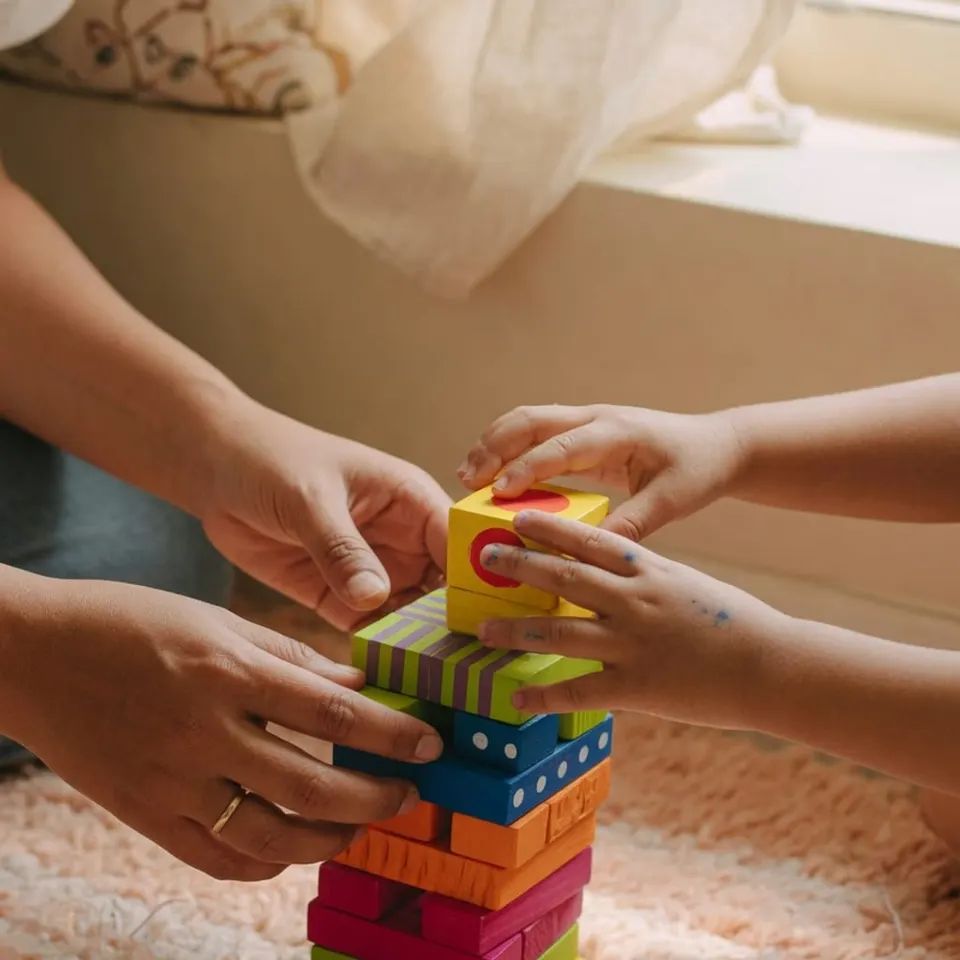
- Basic toys or materials: The BCBA will tell you what to have on hand, such as blocks, books, or preferred items.
Most providers offer technical support to help you set up. If you do not have a device, some programs can loan one.
🔗 Related reading: Top Questions for Illinois ABA Clinics Before You Enroll · Get ABA Therapy
Is Telehealth ABA Effective?
Research shows that telehealth ABA can be as effective as in-person therapy for many children, especially when parents are actively involved. A 2021 study in the Journal of Applied Behavior Analysis found that telehealth-based parent training led to significant improvements in child behavior. The key is consistency and parent engagement. Telehealth works best for children who can focus on a screen for short periods, but even for younger children, the parent coaching component is powerful.
Telehealth is not suitable for every child. If your child has severe aggression or requires hands-on physical prompting, in-person therapy may be a better fit. Your BCBA will help determine the best approach.
Cost and Insurance Coverage for Telehealth ABA
Telehealth ABA is typically covered by insurance at the same rate as in-person therapy. Most private insurance plans, including those from major carriers, cover ABA therapy under behavioral health benefits. Medicaid also covers telehealth ABA in most states, though coverage rules vary. For example, in California, Medi-Cal covers telehealth ABA, and in Texas, Medicaid covers it under the Early Childhood Intervention (ECI) program.
Apply for ABA is a free service that helps you find providers who accept your insurance, including Medicaid. We do not charge families, and we verify coverage before matching you. Co-pays and deductibles depend on your specific plan, but many families pay little to nothing out of pocket.

Common Mistakes to Avoid with Telehealth ABA
- Not preparing the environment: A cluttered or noisy room can distract your child. Set up a dedicated space with minimal distractions.
- Being passive: Telehealth requires your active participation. You are the coach on the ground. Ask questions and practice between sessions.
- Expecting immediate results: ABA is a gradual process. Progress may take weeks or months. Celebrate small wins.
- Ignoring technical issues: If your internet is unstable, sessions can be frustrating. Test your connection beforehand and have a backup plan, like using a phone hotspot.
- Not communicating with the BCBA: Share what works and what does not. The BCBA relies on your feedback to adjust the plan.
Practical Tips for Success with Telehealth ABA
- Create a routine: Schedule sessions at the same time each day to build consistency.
- Involve other caregivers: Have a spouse, grandparent, or nanny join sessions to learn strategies too.
- Use visual schedules: A simple picture schedule can help your child understand the session flow.
- Take breaks: If your child becomes overwhelmed, the BCBA can incorporate movement breaks or sensory activities.
- Celebrate progress: Acknowledge your child's efforts and your own. You are a key part of the team.
How to Get Started with Telehealth ABA
If you think telehealth ABA could help your child, the first step is to find a qualified provider. Apply for ABA is a free matching service that connects families with vetted, BCBA-led providers who offer telehealth sessions. We work with providers across the country who accept insurance and Medicaid. Simply fill out a short form, and we will match you with a provider who meets your needs. There is no cost to you, and we are here to support you every step of the way.