Helping Your Autistic Child Make Friends: A Guide for Families
In short: Friendships are important for autistic children, and with the right support, they can build meaningful connections. Focus on teaching social skills through natural play, use visual supports and social stories, and find inclusive community activities. ABA therapy can help, and your child may qualify for free services through early intervention or your state's Medicaid program. Our free matching service can connect you with a vetted, BCBA-led provider.
Key takeaways
- Start with your child's interests and strengths to build social skills naturally.
- Use visual supports, social stories, and role-playing to teach friendship skills.
- Look for inclusive community groups, such as library story times or local autism-friendly events.
- ABA therapy can be covered by insurance or Medicaid, and can help teach social and communication skills.
Why Friendships Matter for Autistic Children
Friendships are a fundamental part of childhood, offering joy, support, and a sense of belonging. For autistic children, building friendships can come with unique challenges, yet the benefits are profound. Positive peer relationships can boost self-esteem, improve communication skills, and reduce feelings of loneliness. As a parent, you play a crucial role in guiding your child toward meaningful social connections-and you don't have to do it alone.
Many families wonder: "Will my child ever make friends?" The answer is yes. With the right strategies, understanding, and support, autistic children can and do build deep, lasting friendships. This guide will walk you through practical steps, common pitfalls to avoid, and how to access professional help like ABA therapy, which is often covered by insurance or Medicaid.
🔗 Related reading: Summer & After-School ABA in New York: A Parent's Guide · Find ABA Near Me
Understanding Social Challenges in Autism
Common Social Difficulties
Autistic children may experience social differences such as difficulty reading facial expressions, understanding social cues, or initiating conversations. They might prefer solitary play or have intense interests that are hard to share with peers. Sensory sensitivities (e.g., to loud noises or crowded spaces) can also make social settings overwhelming.
The Role of Neurodiversity
It's important to view these differences through a neurodiversity-affirming lens. Autistic children aren't "broken" or lacking social skills-they often have a different social style. The goal isn't to force them to act neurotypical, but to help them build authentic connections on their own terms.
Building Social Skills at Home
Start With Your Child's Interests
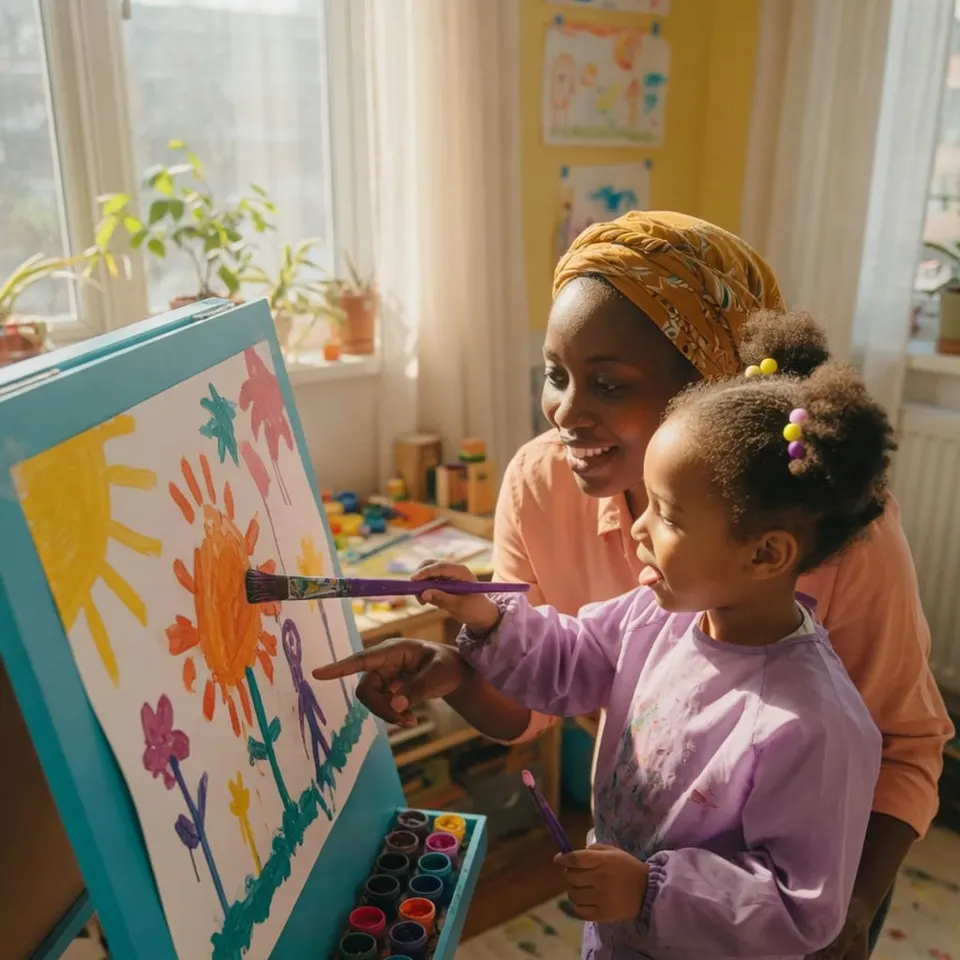
The most powerful tool for teaching social skills is your child's natural interests. If they love trains, use a train set to practice turn-taking: "You push the train, then I push it." For children who enjoy art, create a drawing together, taking turns adding to the picture. This kind of shared positive experience builds foundational friendship skills like cooperation and patience.
Use Visual Supports and Social Stories
Many autistic children process visual information better than spoken language. Create a simple "friendship chart" showing steps like: look, smile, say hi. Write a social story about making a friend-for example, "At the park, I see a child playing. I can walk up and ask, 'Can I play with you?'" Read the story together before heading out.
Practice Through Role-Playing
Set up low-stakes practice sessions at home. Pretend you're a new friend and walk through a typical interaction: introduce yourself, ask a question, listen. If your child struggles with eye contact, don't force it-instead, teach them to look at the person's forehead or chin as an alternative.
🔗 Related reading: ABA Therapy Cost in New Jersey: A 2025 Guide · Get ABA Therapy
Creating Social Opportunities
Find Inclusive Community Activities
Look for groups that are naturally accessible. Local libraries often have sensory-friendly story times. Check community centers for "social skills" groups or inclusive sports leagues. In many areas, nonprofits offer autism-friendly events, such as "quiet hours" at museums or bowling alleys. Search for terms like "autism-friendly [your city]" or "inclusive playgroup."
Start Small With One-on-One Playdates
Before group settings, try a short playdate with a single peer who shares your child's interests. Keep it brief (30-45 minutes) and structured. Plan a clear activity (e.g., building with LEGOs or a simple board game) to reduce uncertainty. Provide a visual schedule of the playdate steps: arrival, activity, snack, goodbye.
Leverage School and Therapy Settings
Talk with your child's teacher or school counselor about peer buddy programs or lunch clubs. ABA therapists can also work on social goals in natural environments, like practicing how to join a game at recess. Our free service can connect you with BCBA-led providers who can create a personalized plan for your child.
Teaching Specific Friendship Skills
Initiating and Joining In
Teach your child a simple script: "Hi, my name is [name]. Can I play with you?" Practice with a toy figure or puppet. If the peer says no, have a backup plan: "That's okay. I can play by myself or find someone else." This builds resilience.
Sharing and Turn-Taking
Use a timer to reinforce turns: "You get the ball for 2 minutes, then I get it." Many autistic children benefit from concrete rules. For sharing, practice with items your child is less attached to first, then gradually use favorite toys.
Reading Social Cues
Work on recognizing emotions with photographs, drawings, or video clips. Label facial expressions and body language: "When her arms are crossed, she might feel angry." Then practice responding: "If your friend looks sad, you can ask, 'Are you okay?'"

What to Avoid: Common Mistakes
- Forcing interaction: Pushing a child into social situations without warning can cause anxiety. Always prepare them first.
- Comparing to neurotypical peers: Progress may look different-celebrate small wins like making eye contact for a moment or saying hi.
- Overlooking sensory needs: A child who is overwhelmed by noise won't learn social skills. Choose quiet, low-sensory environments.
- Focusing only on verbal skills: Some autistic children are nonverbal or minimally verbal. They can still connect through shared activities like playing in a sandbox or watching a show side by side.
When to Seek Professional Help
If your child is struggling significantly with social interactions or you're unsure where to start, professional support can make a big difference. ABA therapy is a highly effective, evidence-based approach for teaching social communication. A BCBA (Board Certified Behavior Analyst) can work with your child one-on-one or in small groups, focusing on skills like conversation, empathy, and problem-solving.
Cost can be a barrier, but ABA therapy is widely covered by private insurance and by state Medicaid programs (often called Early and Periodic Screening, Diagnostic and Treatment, or EPSDT). Early intervention services (typically birth to age 3) are free in many states through school districts or health departments. Our free matching service can help you find a vetted, BCBA-led provider who accepts your plan-no strings attached.
Building Long-Term Friendship Skills
Celebrate Progress
Acknowledge every step forward, whether it's waving at a classmate or having a 5-minute conversation. Praise the effort, not just the outcome. For instance: "I saw you ask your friend to play today. That was brave."
Encourage Independence Gradually
Start by staying close during playdates, then slowly step back as your child gains confidence. Eventually, you can drop off at a friend's house for a short time, building trust and autonomy.
Foster a Supportive Community
Connect with other parents of autistic children. They can offer advice, playdate suggestions, and empathy. Local Facebook groups, autism nonprofit chapters, or school special-education parent groups are great starting points.
Remember, making friends is a process. With patience, creativity, and the right support, your autistic child can build friendships that enrich their life. And if you need help along the way, our free service is here to match you with compassionate, expert providers who understand your child's unique needs.