Avoiding Eye Contact in a 2-Year-Old: What It Means and How ABA Can Help
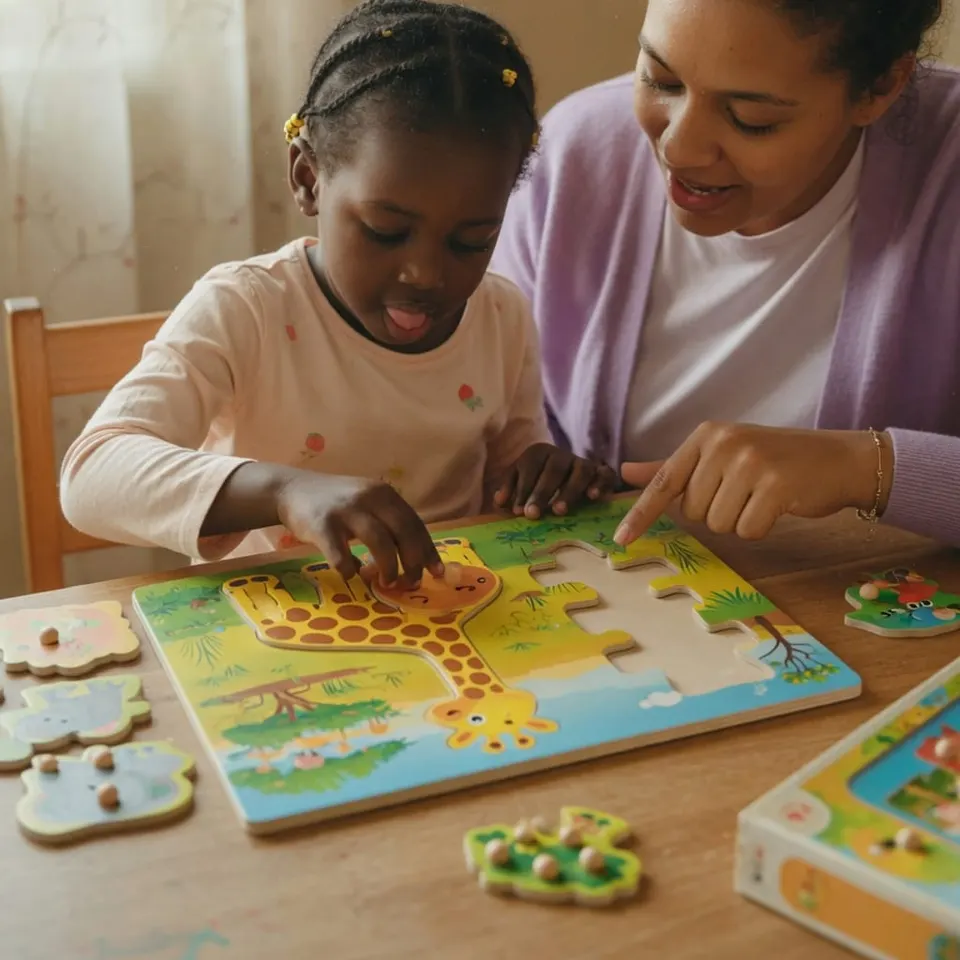
In short: Avoiding eye contact in a 2-year-old can be a typical developmental phase or an early sign of autism. Applied behavior analysis (ABA) therapy, led by a Board Certified Behavior Analyst (BCBA), uses gentle, play-based techniques to build social skills including eye contact. Our free service helps you find vetted ABA providers in your area, often covered by insurance or Medicaid.
Key takeaways
- Avoiding eye contact is common at age 2 but may be an early social communication difference related to autism.
- ABA therapy uses natural, positive strategies to gradually encourage eye contact without forcing it.
- Early intervention (age 2-3) is key for building foundational social skills.
- ABA is typically covered by most insurance plans, including Medicaid, through state programs.
Find your child's ABA provider
About 60 seconds · free & confidential
- ✓ Vetted, BCBA-led providers
- ✓ In-home, center & telehealth
- ✓ No obligation, ever
What Does Avoiding Eye Contact Mean in a 2-Year-Old?
Many parents notice their toddler occasionally looks away when spoken to. At age 2, some avoidance of eye contact is completely normal as little ones explore the world and become absorbed in play. However, persistent avoidance of eye contact can sometimes be an early indicator of differences in social communication, such as autism spectrum disorder (ASD). It is important to remember that every child develops at their own pace, and eye contact is just one of many behaviors to consider.
If your child also shows other signs-like limited interest in playing with others, delayed speech, or repetitive movements-it might be helpful to discuss your observations with a pediatrician or a developmental specialist. Our free service can help you connect with a BCBA (Board Certified Behavior Analyst) who can assess your child's unique needs in a warm, respectful way.

🔗 Related reading: Easing Difficulty with Transitions: ABA Therapy Strategies · Local ABA Therapy
Why Do Some 2-Year-Olds Avoid Eye Contact?
Typical Developmental Reasons
At age 2, children are often intensely focused on their own activities. They may not make eye contact simply because they are concentrating on a puzzle, a toy car, or a book. This is not a cause for concern. Toddlers also learn social cues gradually, and some are naturally more reserved or sensitive to direct gaze.
Possible Signs of Autism or Social Communication Differences
For some children, avoiding eye contact is a sensory preference-direct eye contact can feel overwhelming or even painful. This is a recognized trait in many autistic individuals. Other related signs at age 2 might include:
- Lack of response to their name
- Limited use of gestures like pointing or waving
- Delayed language or loss of words they once used
- Repetitive movements such as hand-flapping or rocking
- Intense interest in specific objects or topics
If you notice several of these, an evaluation by a developmental pediatrician or a team of specialists can provide clarity. Our free matching service is here to help you find a BCBA-led ABA provider who specializes in early intervention.
Looking for ABA therapy for your child? We match families with vetted, BCBA-led providers near you.
Get matched freeHow Does ABA Therapy Help with Eye Contact and Social Skills?
Applied behavior analysis (ABA) is a science-based therapy that helps children learn new skills through positive reinforcement and structured teaching. When it comes to eye contact, ABA uses a gentle, child-led approach. A BCBA will never force a child to make eye contact. Instead, they create opportunities where making eye contact naturally feels rewarding-for example, pausing during a fun game to peek at the child, then continuing when the child looks up.
Natural Environment Teaching (NET)
In early intervention (ages 2-3), ABA is most often delivered through play. The therapist follows the child's interests, embedding social communication goals like joint attention and eye contact into everyday activities. Over time, the child learns that connecting with others can be enjoyable and safe.
Building on Strengths
A skilled BCBA will also teach alternative ways to communicate, such as using pictures, signs, or words, so that eye contact is not the only way to make a connection. The goal is always functional communication, not compliance.
🔗 Related reading: ABA Therapy Appeal: Steps After Insurance Denial · Nearby ABA Therapy
When to Seek Help: The Importance of Early Intervention
Research shows that starting ABA therapy before age 3 can lead to significant improvements in language, social skills, and adaptive behavior. Early intervention works with your child's natural development, building habits that last. If you are concerned about your child's eye contact or other social milestones, acting early is key. Our free service can match you with a BCBA-led provider in your state within days, often at no cost to you.
Costs and Insurance Coverage for ABA Therapy
ABA therapy is widely covered by private insurance plans due to state mandates and the Affordable Care Act. Most plans cover diagnostic evaluations and ABA services for children diagnosed with autism. Additionally, Medicaid (known by names like Medi-Cal in California, MassHealth in Massachusetts, or Peach State Health Plan in Georgia) covers ABA therapy in all states. Many providers also offer sliding-scale fees or payment plans. Our free matching service helps verify your insurance benefits and connects you with providers who accept your plan.
If your child does not have an autism diagnosis but shows developmental delays, early intervention programs through your local school district or health department may offer free or low-cost evaluations and services. ABA can sometimes be covered under these programs as well.

What to Expect from ABA Therapy for a 2-Year-Old
ABA for a 2-year-old is play-based, joyful, and parent-involved. A typical session might include:
- Play and shared activities like blowing bubbles, rolling a ball, or looking at picture books
- Positive reinforcement for any attempt at social engagement, including brief eye contact
- Parent coaching so you can carry over strategies at home during daily routines like mealtime, bath, or dressing
- Goal setting around communication, imitation, and social reciprocity-eye contact is only one small part
Common Mistakes to Avoid
- Forcing eye contact: This can create anxiety and aversion. ABA teaches through natural rewards.
- Waiting too long: Early intervention is most effective, so don't hesitate to seek an evaluation.
- Comparing to other children: Every child's path is unique. Focus on progress, not perfection.
How Our Free Matching Service Works
At Apply for ABA, we make finding a vetted, BCBA-led provider simple. You fill out a brief form with your location, insurance details, and needs. Our team then connects you with top-rated early intervention providers in your area who specialize in social communication and autism. There is no cost to you-we are a free matching service, not a clinic. We handle the legwork so you can focus on your child's growth.