ABA vs Speech Therapy for a 2-Year-Old: What Families Need to Know
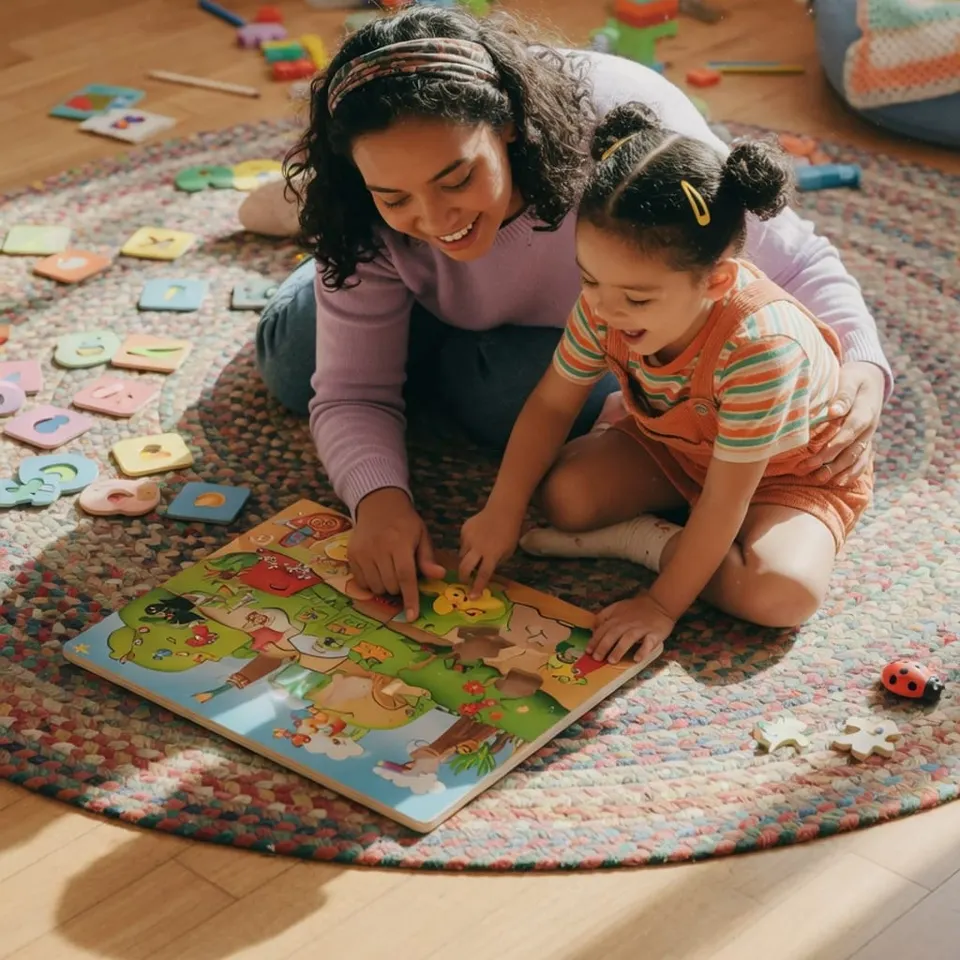
In short: ABA (applied behavior analysis) focuses on building skills through positive reinforcement across all areas of development, including communication, while speech therapy specifically targets speech sounds, language comprehension, and feeding. For a 2-year-old, the best choice depends on your child's unique needs-many children benefit from both therapies working together. Apply for ABA is a free service that helps match you with vetted, BCBA-led providers who can coordinate care.
Key takeaways
- ABA and speech therapy have different primary goals: ABA builds a wide range of skills through behavior principles; speech therapy targets communication, articulation, and feeding.
- For a 2-year-old, early intervention is critical-both therapies can be effective when started early, often covered by insurance or state programs.
- ABA is typically delivered by a BCBA (board certified behavior analyst) and therapists, while speech therapy is provided by a licensed SLP (speech-language pathologist).
- Many children benefit from a combined approach, where ABA and speech therapists collaborate on communication goals.
Find your child's ABA provider
About 60 seconds · free & confidential
- ✓ Vetted, BCBA-led providers
- ✓ In-home, center & telehealth
- ✓ No obligation, ever
Understanding ABA and Speech Therapy for Toddlers
When your 2-year-old is diagnosed with autism or shows developmental delays, you may hear about two main therapies: ABA (applied behavior analysis) and speech therapy. Both are evidence-based and can make a profound difference, but they work in different ways. This guide will help you understand the key differences, costs, and how to decide what's right for your child.

🔗 Related reading: California Early Intervention Programs: A Complete Guide · Find ABA Near Me
What Is ABA Therapy for a 2-Year-Old?
ABA therapy uses principles of learning and behavior to teach new skills and reduce challenging behaviors. For a toddler, this often looks like play-based learning where a trained therapist (often a registered behavior technician, or RBT) works under the supervision of a board certified behavior analyst (BCBA). Goals might include:
- Initiating and responding to communication (e.g., pointing, saying words)
- Following simple instructions
- Playing with toys appropriately
- Toilet training and self-help skills
- Reducing tantrums or self-injurious behaviors
Looking for ABA therapy for your child? We match families with vetted, BCBA-led providers near you.
Get matched freeWhat Is Speech Therapy for a 2-Year-Old?
Speech therapy focuses specifically on communication and oral-motor skills. A licensed speech-language pathologist (SLP) works with your child on:
- Speech sounds (articulation)
- Receptive language (understanding words)
- Expressive language (using words, gestures, or AAC devices)
- Social communication (turn-taking, eye contact)
- Feeding and swallowing (if needed)

🔗 Related reading: Verify ABA Provider Credentials in Texas · Local ABA Therapy
Key Differences at a Glance
Goals and Focus
ABA targets a broad range of developmental domains-communication, social, play, self-help, and behavior. Speech therapy hones in on communication and oral-motor skills. For example, if a child isn't speaking, ABA might work on requesting items using any mode (pointing, signs, words), while speech therapy might focus on specific sounds and word combinations.
Methods
ABA uses positive reinforcement and data-driven teaching (like discrete trial training or natural environment teaching). Speech therapy uses modeling, repetition, and play-based techniques tailored to speech and language milestones.
Providers
ABA is overseen by a BCBA (master's level) and delivered by RBTs. Speech therapy is provided by an SLP (master's level with state licensure). Both require ongoing parent training and collaboration.
Which One Does Your 2-Year-Old Need?
The answer depends on your child's specific challenges. Here are common scenarios:
- Primarily communication delays: Speech therapy may be the first choice.
- Multiple developmental delays (communication, social, behavior, self-help): ABA is often recommended as a comprehensive approach.
- Challenging behaviors interfering with learning: ABA can help reduce those behaviors so speech therapy can be more effective.
- Both: Many children receive both therapies simultaneously, with the BCBA and SLP communicating regularly.
Costs and Insurance Coverage
Both therapies are often covered by private insurance and Medicaid. For ABA, many states mandate coverage under autism insurance laws (e.g., California, New York, Texas). Speech therapy is typically covered as a medical necessity for developmental delays.
- Private insurance: Check your plan for ABA and speech therapy benefits. You may have copays or deductibles.
- Medicaid: Programs like California's Medi-Cal, Texas' STAR Kids, or New York's Medicaid cover both therapies for eligible children.
- Early Intervention (Part C): For children under 3, state early intervention programs (e.g., California's Early Start) may provide speech therapy at no cost, but ABA is less commonly included.
Can They Work Together?
Absolutely. In fact, collaboration between a BCBA and SLP can be powerful. For example, the BCBA might teach a child to request a toy using a picture card, while the SLP works on saying the word. The key is that both therapists share goals and strategies. Many ABA providers (including those we match families with) are experienced in coordinating with SLPs.
Practical Tips for Choosing
- Get a comprehensive evaluation: A developmental pediatrician or child psychologist can assess your child's strengths and needs.
- Ask about wait times: ABA and speech therapy can have waitlists. Start early.
- Visit providers: Look for a warm, child-centered environment. For ABA, ensure it's BCBA-led and uses positive reinforcement (no punishment).
- Consider your schedule: ABA often requires more hours; speech therapy is less intensive.
- Trust your instincts: You know your child best. If a therapy isn't working, speak up.
Common Mistakes to Avoid
- Waiting too long: Early intervention (before age 3) yields the best outcomes. Don't delay.
- Choosing one therapy exclusively without considering the other: Many children need both.
- Not checking insurance coverage: Costs can add up. Use Apply for ABA to find providers who accept your plan.
- Ignoring parent training: Both therapies require you to practice strategies at home for maximum benefit.
How Apply for ABA Can Help
Apply for ABA is a free service that matches families with vetted, BCBA-led ABA providers in your area. We help you understand your insurance coverage (including Medicaid), compare options, and get started quickly. While we don't provide therapy directly, we can connect you with providers who coordinate with speech therapists. Start your journey today at applyforaba.com.