ABA vs Occupational Therapy for Sensory Processing: What Families Need to Know

In short: ABA and occupational therapy both help children with autism, but they target different areas. ABA focuses on behavior and skill-building, using sensory strategies to support learning. Occupational therapy emphasizes sensory integration and daily living skills. Many children benefit from both, and your insurance (including Medicaid) may cover them. A free service like Apply for ABA can help match you with vetted providers.
Key takeaways
- ABA addresses behavior and skill development; OT targets sensory processing and functional daily skills.
- Both therapies can be effective for sensory challenges, but their approaches and goals differ.
- Professionals often recommend combining ABA and OT for a comprehensive support plan.
- Insurance, including Medicaid, typically covers both ABA and OT for autism spectrum disorder.
Find your child's ABA provider
About 60 seconds · free & confidential
- ✓ Vetted, BCBA-led providers
- ✓ In-home, center & telehealth
- ✓ No obligation, ever
Understanding Sensory Processing in Autism
Sensory processing differences are common in autism. Many children with autism experience hypersensitivity or hyposensitivity to sounds, lights, textures, tastes, or movement. These sensory challenges can affect daily routines, social interactions, and learning. Both applied behavior analysis (ABA) and occupational therapy (OT) offer support, but they approach sensory needs from different angles.

🔗 Related reading: Not Pointing at 18 Months: Autism Signs & Next Steps · Local ABA Therapy
What Is ABA Therapy?
ABA is a scientifically backed therapy that uses principles of behavior to increase helpful behaviors and reduce those that interfere with learning. A Board Certified Behavior Analyst (BCBA) designs individualized plans. While ABA is often associated with skill acquisition and behavior reduction, it also incorporates sensory strategies. For example, a BCBA may use preferred sensory activities as reinforcement or build a child's tolerance to aversive sensations through gradual exposure. The focus is on measurable change and generalization across settings.
How ABA Addresses Sensory Needs
- Stimulus preference assessments identify motivating sensory inputs
- Desensitization procedures help children tolerate uncomfortable sensations
- Reinforcement of appropriate responses to sensory triggers
- Environmental modifications to reduce sensory overload
Looking for ABA therapy for your child? We match families with vetted, BCBA-led providers near you.
Get matched freeWhat Is Occupational Therapy?
Occupational therapy (OT) focuses on enabling a child to participate in meaningful daily activities (occupations). An occupational therapist (OTR/L) often uses a sensory integration framework to improve how the brain processes sensory information. OT for sensory processing may include activities that provide vestibular, proprioceptive, or tactile input. The goal is to regulate the nervous system so the child can function better at home, school, and play.
Sensory Integration Techniques in OT
- Brushing protocols and deep pressure for calming
- Heavy work activities (pushing, pulling, lifting) for body awareness
- Swings, slides, and balance activities for vestibular input
- Sensory diets scheduled throughout the day

🔗 Related reading: Avoiding Eye Contact in Toddlers: ABA Strategies That Help · Local ABA Therapy
Key Differences Between ABA and OT for Sensory
While both therapies can help with sensory issues, their core philosophies differ. ABA relies on observable behavior and data; OT focuses on neurological processing and functional performance. ABA breaks skills into small steps and uses contingencies; OT uses guided sensory experiences to promote self-regulation. A BCBA might reward a child for completing a task despite a noisy room; an OT might modify the environment first and then teach coping strategies.
Goals
ABA goals are typically behavioral: reduce self-stimulatory behavior, increase communication, follow instructions. OT goals are functional: improve dressing, eating, sleeping, or tolerating hairbrushing. For sensory, ABA may aim for a child to sit through a fire drill; OT may aim for the child to process the sound effectively.
Techniques
ABA uses reinforcement, prompting, fading, and task analysis. OT uses sensory integration, sensory diets, environmental modifications, and therapeutic listening. Both are evidence-based but from different fields.
Settings
ABA often happens in a clinic, home, or school with one-on-one instruction. OT can occur in a clinic with specialized equipment, at home, or in a school-based model.
When to Choose ABA? When to Choose OT?
Families should consult professionals. If the primary concern is challenging behavior that interferes with learning (e.g., aggression, elopement, refusal), ABA is often the first recommendation. If the child has difficulty with daily living skills due to sensory dysregulation (e.g., cannot tolerate clothing textures, problems with feeding, sleep), OT may be more appropriate. Many children benefit from both simultaneously.
Signs OT May Be a Better Fit
- Child seems overwhelmed by everyday sensations
- Difficulty with motor coordination or balance
- Problems with self-care like brushing teeth or dressing
- Extreme picky eating related to texture or smell
Signs ABA May Be a Better Fit
- Frequent meltdowns or aggression triggered by sensory events
- Difficulty following directions due to overload
- Elements of self-injurious behavior
- Need to build communication or social skills in sensory-rich settings
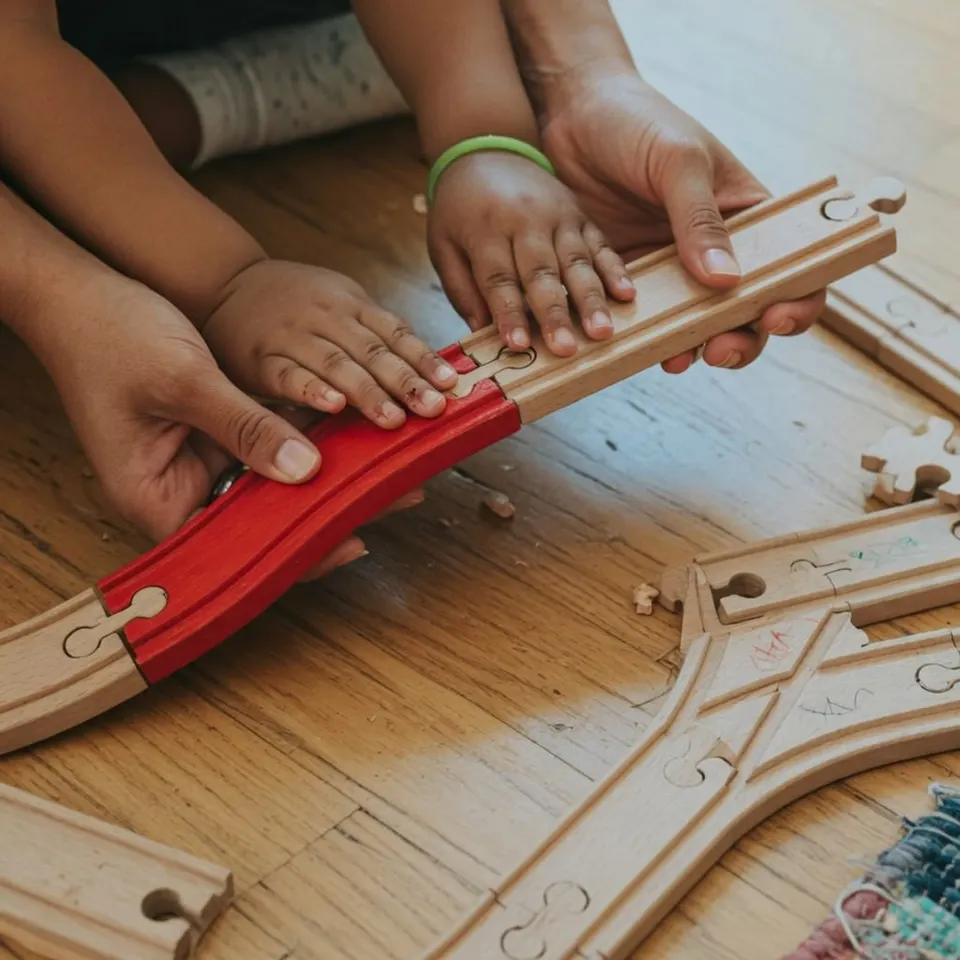
Can ABA and OT Work Together?
Yes. In fact, collaboration between a BCBA and an OTR/L can create a comprehensive program. For example, an OT might design a sensory diet, and the BCBA can incorporate those activities into the ABA schedule as reinforcement. The OTR/L might recommend environmental modifications, and the BCBA can monitor their impact on behavior. Cross-training and communication are key. Some clinics offer both services under one roof, making coordination easier.
Insurance and Cost Considerations
Both ABA and OT for autism are often covered by private insurance and Medicaid. Many states mandate coverage for ABA when prescribed for autism. OT is typically covered under rehabilitation benefits. Both require a diagnosis of autism and a prescription from a doctor. Families may face copays, deductibles, or session limits. Apply for ABA is a free service that helps families find vetted, BCBA-led providers and navigate insurance questions, including Medicaid. They do not provide therapy directly but can match you with clinics that accept your plan.
How to Get Started with the Right Therapy
The first step is a comprehensive evaluation. A developmental pediatrician or neurologist can diagnose autism and recommend therapies. For ABA, seek a BCBA to conduct a functional behavior assessment. For OT, find an OTR/L with expertise in sensory integration. If you are unsure where to begin, Apply for ABA can connect you with qualified providers in your area who accept insurance, including Medicaid. They match families with BCBA-led clinics that understand sensory challenges and can coordinate with other therapies.
Remember, every child is unique. Some thrive with ABA first, then add OT; others need OT to regulate before ABA can be effective. A warm, collaborative team approach with open communication between providers, parents, and the child will yield the best outcomes.