ABA Therapy Success Stories for 3-Year-Olds: What Real Progress Looks Like
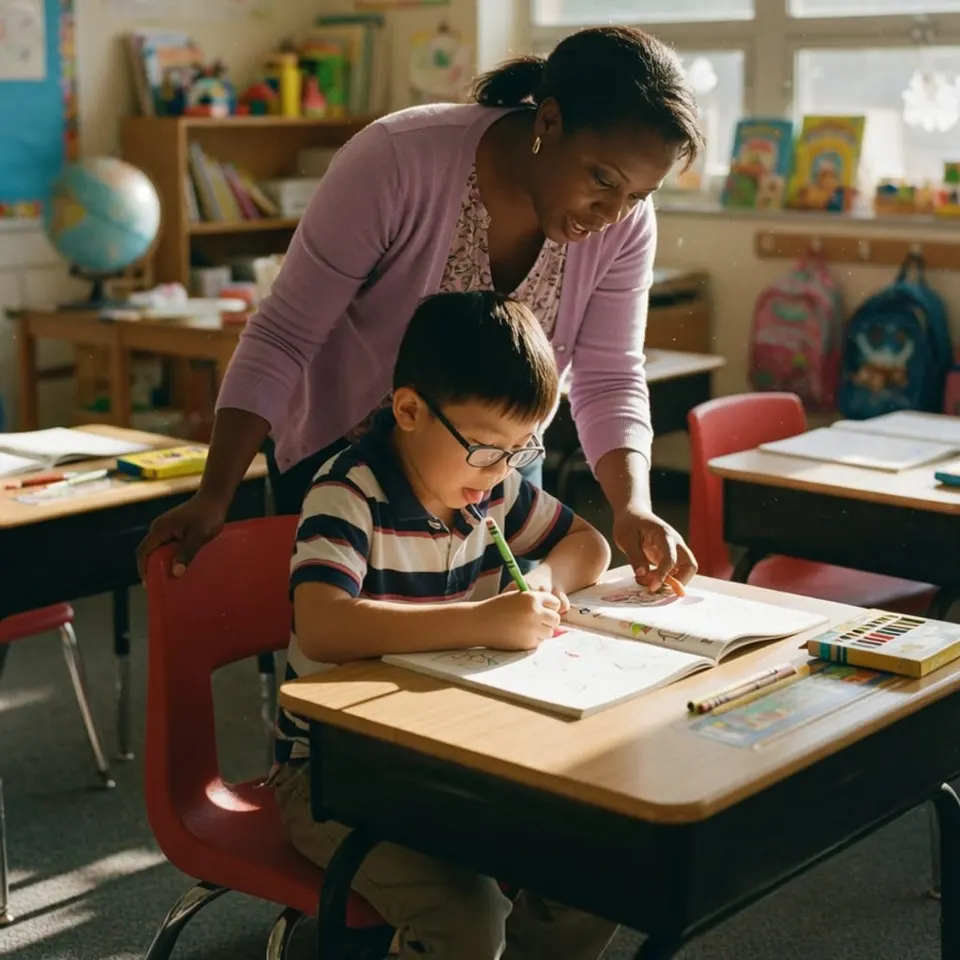
In short: ABA therapy for 3-year-olds uses play-based, positive reinforcement to teach communication, social, and daily living skills. Success stories often show a child learning to request a favorite toy, make eye contact, follow simple instructions, or play alongside peers. Early intervention with a BCBA-led program can lead to meaningful, lasting progress.
Key takeaways
- ABA therapy for 3-year-olds is play-based and child-led, focusing on natural learning moments.
- Success stories often include first words, joint attention, and reduced challenging behaviors.
- Early intervention (ages 2-5) is linked to the best outcomes in communication and social skills.
- ABA is covered by most insurance plans and Medicaid; your family pays $0 out-of-pocket with many plans.
What Makes ABA Therapy Effective for 3-Year-Olds?
Applied Behavior Analysis (ABA) therapy is one of the most researched and effective interventions for children with autism. For a 3-year-old, ABA is not about sitting at a desk-it's about learning through play, natural routines, and positive reinforcement. A Board Certified Behavior Analyst (BCBA) designs a program that targets your child's specific needs, whether that's saying a first word, pointing to a toy, or learning to take turns.
Because a 3-year-old's brain is still highly plastic, early intervention can lead to dramatic gains. Many families report that their child begins to communicate more, engage with others, and show fewer challenging behaviors within months of starting a well-structured ABA program.

🔗 Related reading: ABA Therapist Cancels Often? What to Do (Practical Guide) · Local ABA Therapy
Real Success Stories: Communication Breakthroughs
From No Words to Requesting a Snack
One of the most common success stories involves a child who has very few or no spoken words. For example, a 3-year-old named Leo was mostly nonverbal when he started ABA. His BCBA used a technique called mand training-teaching the child to request (or 'mand' for) something they want. Leo loved crackers. His therapist would hold a cracker just out of reach and wait for any attempt at communication, like a sound, a point, or a picture exchange. Over weeks, Leo learned to say 'crack-er,' then 'more cracker,' and eventually 'I want cracker please.' His mom said it was the first time he told her what he wanted.
Using AAC to Find a Voice
For some children, spoken words come later. Another success story is Maya, a 3-year-old who used an AAC (Augmentative and Alternative Communication) device-a tablet with pictures that speak when tapped. Her ABA team taught her to tap 'I want' then 'play' then 'swing.' Within a month, Maya was independently requesting her favorite activities. Her parents said it reduced her frustration and tantrums because she could finally be understood.
Social Skills: From Parallel Play to Friendship
Learning to Share and Take Turns
Many 3-year-olds with autism struggle with social interaction. A success story from a clinic in Austin, Texas, describes a child named Sam who would play alone and cry when another child came near. His ABA therapist used peer modeling-pairing Sam with a typically developing peer during structured play. They practiced rolling a ball back and forth, then sharing a toy for 30 seconds. Over months, Sam began to initiate play, saying 'my turn' and 'your turn.' His preschool teacher noted he was now joining group activities.
Eye Contact and Joint Attention
Joint attention-when a child looks at an object and then at a person to share interest-is a critical skill. A 3-year-old named Emma learned to point at a bird outside and then look at her mom. Her BCBA used incidental teaching, following Emma's interest and reinforcing any attempt to share attention. Emma's mom said, 'She pointed at a dog and looked at me with the biggest smile. I cried.'
🔗 Related reading: Aetna ABA Therapy for 2-Year-Olds: Approval Tips · Nearby ABA Therapy
Daily Living Skills: Building Independence
Potty Training Success
Potty training can be a huge hurdle for families of 3-year-olds with autism. One success story involves a child named Jack who was afraid of the toilet. His ABA team used a graduated exposure plan: first sitting on the toilet fully clothed, then with a timer, then with a reward for a successful attempt. After two months, Jack was fully potty trained during the day. His parents said it gave him a sense of pride and reduced their stress.
Dressing and Self-Care
Another child, Olivia, learned to put on her own shoes and jacket. Her BCBA broke the task into small steps: 'Put your foot in,' 'Pull the tongue,' 'Velcro the strap.' With visual prompts and praise, Olivia mastered the routine in a few weeks. Her parents noted she now asks to dress herself every morning.
Reducing Challenging Behaviors
From Meltdowns to Calm Communication
Challenging behaviors like hitting, screaming, or running away are often a child's way of communicating. A success story from a family in Denver describes a 3-year-old named Ethan who would hit his head on the floor when frustrated. His ABA team conducted a functional behavior assessment (FBA) and found the behavior was triggered by being told 'no' to a preferred activity. They taught Ethan to say 'break' or 'all done' instead. Within weeks, the head-hitting stopped. Ethan learned a safer, more effective way to express his feelings.
What to Expect in an ABA Session for a 3-Year-Old
A typical ABA session for a 3-year-old is 2-4 hours, often in a clinic, home, or preschool setting. It includes:
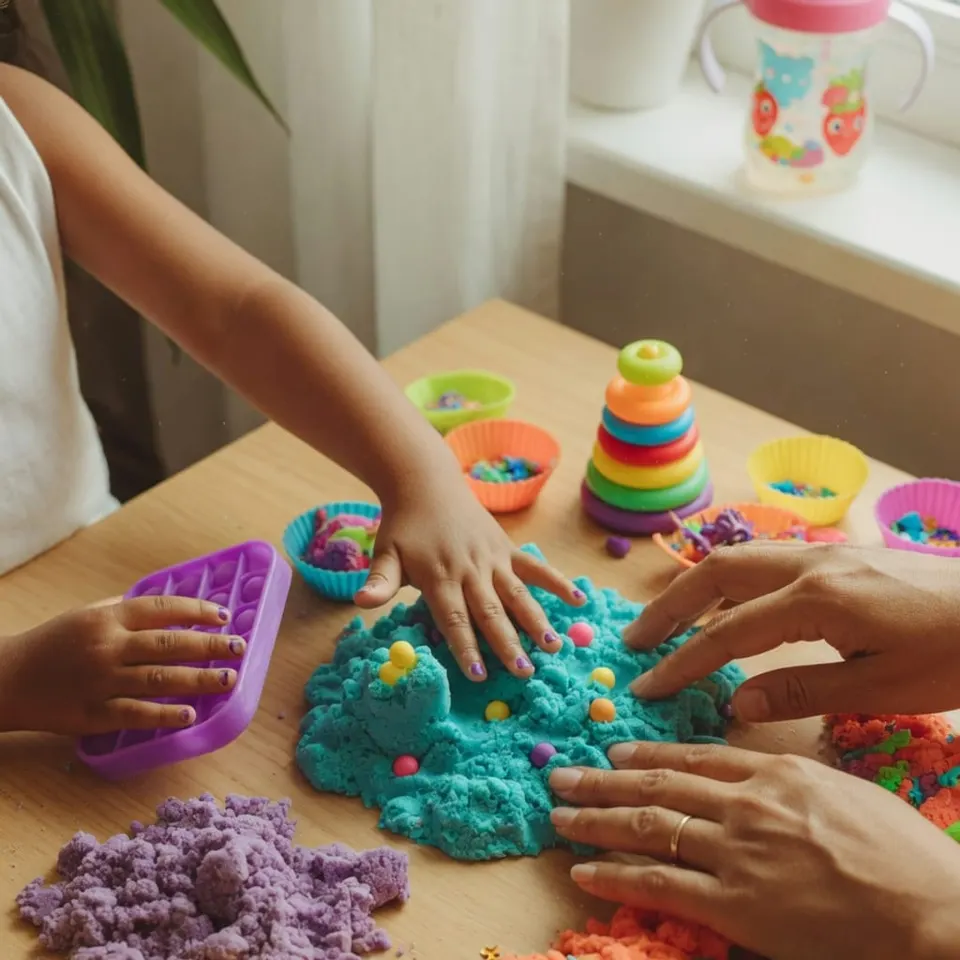
- Natural Environment Teaching (NET): Learning through play, like teaching colors while playing with blocks.
- Discrete Trial Training (DTT): Short, structured teaching moments for specific skills.
- Parent Training: You'll learn strategies to use at home, like how to reinforce communication.
- Data Collection: The therapist tracks every response to measure progress.
You don't need to navigate this alone. Apply for ABA is a free service that matches families with vetted, BCBA-led providers in your area. They help with insurance verification so you can start therapy with no upfront cost.
Costs, Insurance, and Medicaid Coverage
ABA therapy is covered by most private insurance plans under the mental health and autism benefits. Many families pay $0 out-of-pocket after meeting their deductible. Medicaid also covers ABA in all 50 states, though wait times can vary. Early Intervention programs (for children under 3) may also provide ABA or related services. If your child is 3 or older, the school district may offer ABA through an IEP. Apply for ABA can help you understand your coverage and connect you to providers who accept your plan.
How to Find a Quality ABA Provider for Your 3-Year-Old
Look for a provider that:
- Is led by a BCBA who supervises all therapy.
- Uses play-based, child-led approaches.
- Offers parent training as a core component.
- Has experience with early intervention (ages 2-5).
- Provides data-driven progress reports regularly.
Apply for ABA is a free matching service that does the legwork for you. You share your location and insurance, and they connect you with top-rated, BCBA-led providers in your area-no cost, no obligation.
Common Mistakes to Avoid When Starting ABA
- Waiting too long: The earlier you start, the better the outcomes. Don't wait for a formal diagnosis if you see signs.
- Choosing a provider without BCBA oversight: Always ensure a BCBA designs and supervises the plan.
- Not prioritizing parent training: You are your child's best teacher. Learn the strategies.
- Expecting overnight results: Progress takes time, but small wins add up.
Every child's journey is unique, but the stories above show that with the right support, 3-year-olds can make remarkable progress. If you're ready to explore ABA therapy for your child, Apply for ABA can help you find a trusted provider today.